

The United States Environmental Protection Agency has changed its tune on diesel emissions regulation. Whereas it once ruled with a heavy hand, fining engine manufacturers and aftermarket companies at every turn, the agency is now on a deregulation spree with Administrator Lee Zeldin at the helm. The EPA has already called on manufacturers to eliminate immediate power derating when diesel exhaust fluid runs low, and now, the federal organization is strongly encouraging companies to ditch one of modern emissions systems’ most problematic components.
In a letter dated March 26, the EPA wrote that urea quality sensors have “among the highest failure rates of any SCR (selective catalyst reduction) components.” That information comes from the Engine Manufacturers Association, which suggests exploring other methods to detect contaminated or diluted DEF. For its part, the EPA echoed the recommendation while reiterating that such methods—like NOx sensors—are totally legal.
I’ll break this down as simply as I know how to. Urea quality sensors detect the concentration of—what else—urea in DEF. That’s the active ingredient responsible for lowering NOx emissions in diesel engine exhaust. DEF mixtures typically contain 32.5% urea a …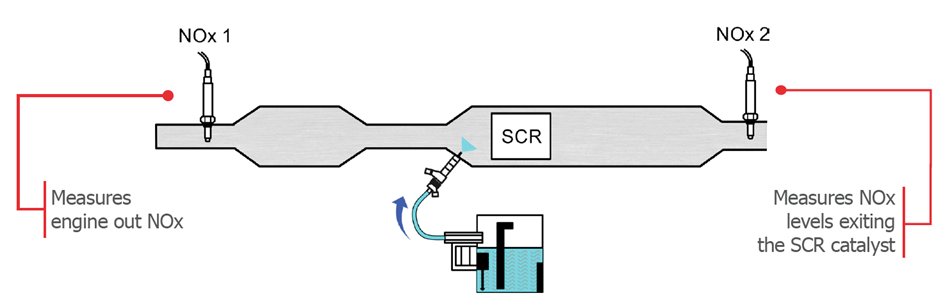

Go to Source
Author: Caleb Jacobs