

Ferrari is once again pushing the boundaries of what a combustion engine can be. Just when we thought its oval-piston concept was radical, a newly surfaced patent reveals that it was only the tip of the iceberg. This time, the brand is rethinking the V12 from the ground up to ensure its survival in an electrified future.Rewriting the V12 Rulebook
USPTO
USPTO
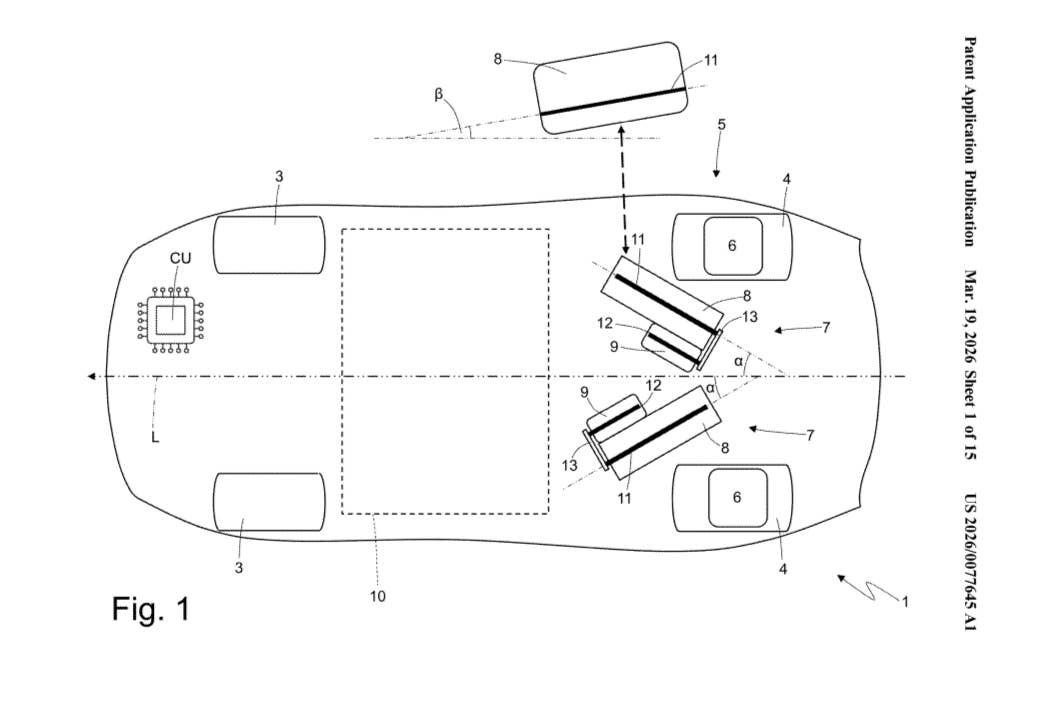
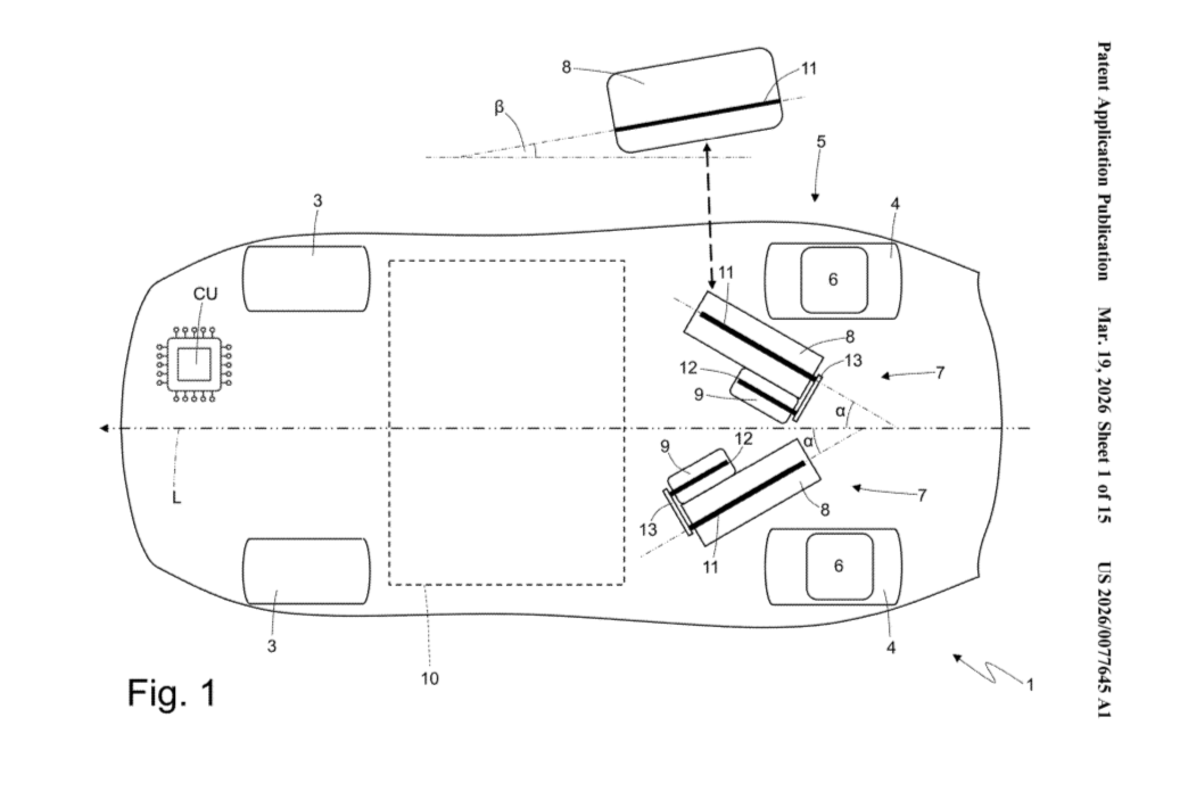
In essence, the new twelve-cylinder replaces one large engine with two smaller inline-six units, each with its own electric motor, positioned in a V-like layout but operating independently. Since these are not mechanically linked to their own crankshafts, the engines can run either synchronously or asynchronously, meaning they can spin at different speeds depending on demand.By decoupling the engines from a traditional drivetrain layout, Ferrari can mount them at wider, unconventional angles that better follow the car’s body shape. The result is a wider, shorter powertrain that will allow for improved aerodynamic efficiency, a lower center of gravity, and a lack of bulky transmission components. In theory, this could lead to a tighter, stiffer chassis. But are the pros enough to outweigh the cons?No Mechanical Link to the Wheels
USPTO
…
Go to Source
Author: Marnus Moolman